
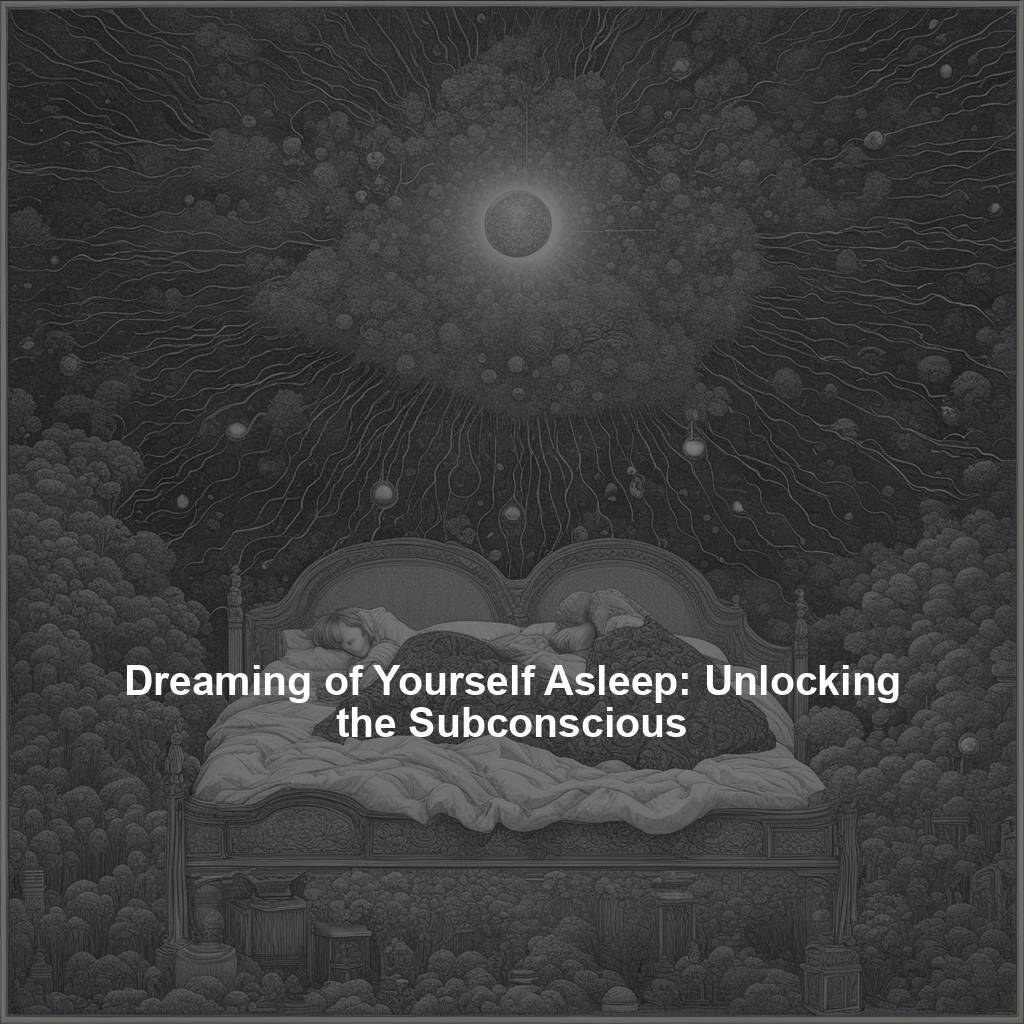
For centuries, dreams have captivated the human imagination. They have been a source of mysticism, wonder, and interpretation. Within the enigmatic realm of dreams lies a fascinating phenomenon – dreaming of oneself asleep. This peculiar experience has puzzled both scientists and dream enthusiasts alike, offering a unique glimpse into the depths of the subconscious mind.
The Enigma of Dreaming
Dreams have long fascinated the human mind, serving as gateways to alternate realities that exist only within our own subconscious. When we sleep, our minds venture into a world where the ordinary boundaries of time and space hold no sway. In this otherworldly realm, we relive memories, overcome fears, and visualize impossible scenarios, all while our physical bodies lay in serene slumber.
While dreams often feature a vivid cast of characters and familiar places, there are instances when dreams take an intriguing twist, allowing us to witness ourselves asleep. This paradoxical scenario raises profound questions about the nature of dreams and the depths of our inner selves.
The Subconscious Unveiled
When we dream of ourselves sleeping, it is as if we catch a fleeting glimpse behind the curtain of our subconscious minds. It is a surreal experience that can leave us feeling astonished and introspective upon waking. This phenomenon offers a rare opportunity to observe ourselves in a state of vulnerability, shedding light on the intricate workings of our deepest thoughts and emotions.
The act of dreaming of oneself asleep has been associated with a heightened self-awareness, symbolizing a quest for self-discovery and a desire to better understand our own inner workings. It provides a unique vantage point from which we can reflect upon our lives, our fears, desires, and unresolved conflicts.
The Symbolic Meaning
Many interpret the act of dreaming of oneself asleep as a subtle message from our subconscious. It is often seen as an invitation to delve into the hidden layers of our psyche, to explore unresolved emotions, and to confront aspects of ourselves that may have been long suppressed. By shining a light on the fears and insecurities that lay dormant within us, these dreams can facilitate personal growth and self-acceptance.
Some psychologists believe that dreaming of oneself asleep may also signify a need for self-care and rejuvenation. It serves as a gentle reminder to prioritize our well-being, engaging in restorative practices that nourish both our physical and mental states.
Interpreting the Dream Within a Dream
While the phenomenon of dreaming of oneself asleep is undoubtedly fascinating, its interpretation may vary significantly from person to person. As with all dreams, it is crucial to consider the individual’s unique experiences, memories, and emotions when attempting to decipher its meaning.
Many find solace in keeping dream journals, documenting and analyzing their dreams in search of patterns and recurring themes. By noting the subtleties and symbolism present in each dream, individuals can develop a deeper understanding of themselves and the messages their subconscious seeks to convey.
In Conclusion
Dreaming of oneself asleep offers a mysterious window into the depths of our subconscious minds. It prompts us to reflect on our innermost thoughts and emotions, guiding us towards self-discovery and personal growth. As we continue to explore the enigma of our dreams, let us embrace the opportunity to unlock the secrets hidden within our own slumbering minds.